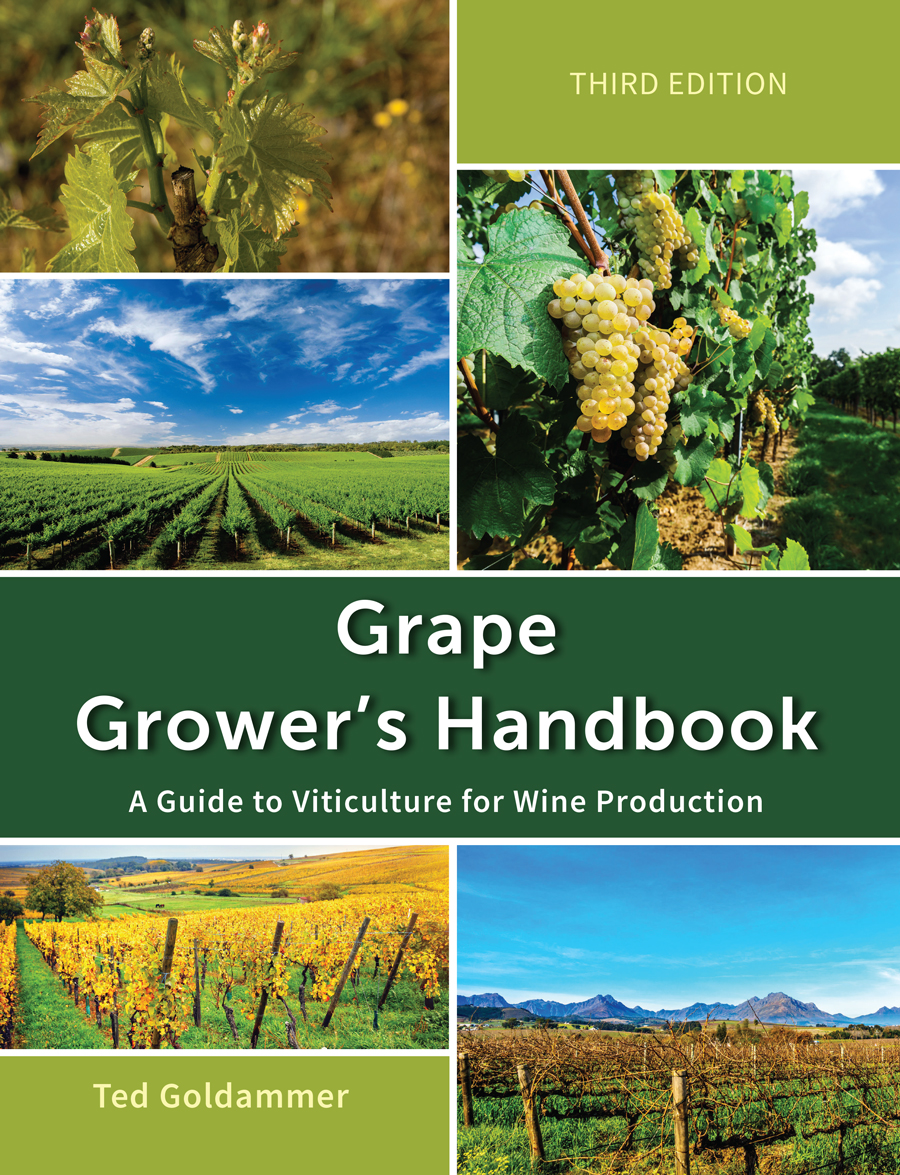
Vineyard Canopy Management
(book excerpts)The grapevine canopy refers to all the above-ground vegetative parts of the grapevine—mainly the leaves, shoots, stems, and fruit clusters—that grow from the trunk and cordons during the growing season. Vineyard canopy management is employed to optimize yield, improve fruit quality, reduce the risk of disease, and facilitate other vineyard operations. These objectives are generally achieved by improving the microclimate of the grapevine through the use of shoot positioning, shoot thinning, hedging, leaf removal, and cluster thinning. These management practices can enhance light interception, promoting sugar accumulation and acid composition, and improving phenolic compounds (particularly in red grapes). Additionally, they reduce levels of methoxypyrazines and enhance the development of aroma and flavor compounds. Since light interception also affects bud development, fruit set, and berry growth, shading can negatively affect crop levels. Open canopies tend to have reduced disease pressure, since improved airflow reduces humidity, which allows better penetration of fungicides and insecticides. Finally, vine vigor can also be controlled indirectly through management techniques, including irrigation, fertilization, and floor management.
Topics Within This Chapter:
- Vineyard Canopy Microclimate
- Sunlight
- Temperature
- Wind Speed, Humidity, and Evaporation
- Assessing Canopy Characteristics
- Shoot Density
- Leaf Layer Number
- Shoot Length
- Lateral Shoot Development
- Pruning Weight
- Techniques for Vineyard Canopy Management
- Shoot Positioning
- Timing of Shoot Positioning
- Shoot Thinning
- Timing of Shoot Thinning
- Shoot Selection
- Shoot Density Recommendations
- Impacts on Fruit Quality
- Mechanized Shoot Thinning
- Hedging
- Timing of Hedging
- Impacts on Fruit Quality
- Leaf Removal
- Timing of Leaf Removal
- Impacts on Fruit Quality
- Vineyard Deleafing Machines
- Cluster Thinning
- Timing of Cluster Thinning
- Impacts on Fruit Quality
- Indirect Canopy Management Techniques
- Rootstock Selection
- Cultivar and Clone Selection
- Trellis Design and Selection
- Vineyard Floor Management
- Nutrient Management
- Irrigation Management